
“Buying real estate today is a complex process, and that is why buyers are obliged to conduct legal due diligence as a first step.”
– Ernesto C. Perez II, CTEP, REB, Attorney, and PRC-Accredited Speaker
By Realttorney®
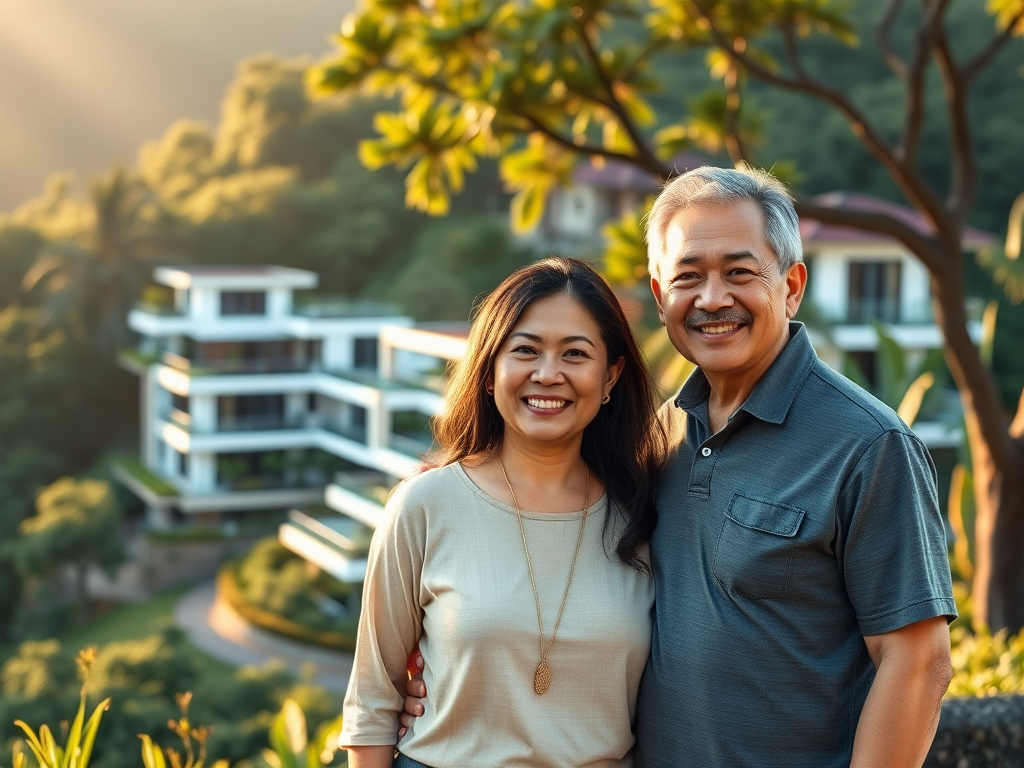
If you’re a Filipino-American or someone living in the U.S. with roots in the Philippines, chances are you’ve dreamed about owning a piece of land or real estate in your home country. Maybe it’s a future retirement home in the Metro Tagaytay area. Maybe you want to invest in a condo in Bonifacio Global City. Or perhaps, it’s simply about staying connected to your roots by owning something tangible in the place where your story began.
Whatever your motivation, buying real estate in the Philippines while abroad is very doable – but it does come with some unique challenges. This guide will walk you through everything you need to know: your rights as a Filipino-American buyer, the legalities, the practical steps, and the common pitfalls to avoid.
This article was inspired by the story of RM, who is Mexican-American and married to a Filipina-American. RM reached out to me to inquire about estate planning. But his story is quite inspiring. He and his wife liquidated most of their assets in California and purchased real estate in San Pedro, Laguna while still in the United States. They manage to build a multi-door apartment structure that they plan to rent out. Of course, this was all done with the able assistance of a trusted individual residing near their property.
So, you know that RM’s wife bought real estate in the Philippines while in the United States. But make no mistake, it is a complex process that needs your utmost attention and focus. Hence, let’s start with the basics.
As a Filipino-American, how much you can buy and what type of real estate depends on your citizenship status.
If you are a dual citizen, you are in the best position to buy. Thanks to Republic Act No. 9225, also known as the Citizenship Retention and Re-acquisition Act of 2003, you can re-acquire your Philippine citizenship while retaining your U.S. citizenship.
As a dual citizen, you regain the full rights of a Filipino citizen, which means:
- ✅ You can own land, condos, and build homes without restrictions, except when buying into a gated community.
- ✅ You can buy and sell property just like any other Filipino.
To re-acquire citizenship, you must apply through the Philippine Embassy or Consulate in your area. The process typically involves submitting documents like your birth certificate, U.S. passport, and proof of former natural-born citizenship, i.e., your expired Philippine passport.
👉 Pro Tip: Apply for dual citizenship before buying property. It makes the legal process of purchasing real estate much smoother.
If You’re a U.S. Citizen with No Dual Citizenship then your options are more limited, but you’re not shut out.
You can:
- ✅ Buy a condominium unit, but only in buildings where foreign ownership doesn’t exceed 40%.
- ❌ You cannot own land, house-and-lot units, or agricultural property.
You can, however, lease land for up to 50 years (renewable for another 25 years) under certain conditions, especially if the lease is tied to business use. If you want to read about the proposed amendments to the law allowing a lease period from 50 years to 99 years, click here.
📝 Step-by-Step: How to Buy Property in the Philippines While Abroad
Now that we’ve cleared up who can buy what, let’s break down the process into 7 simple steps:
Step 1: Know What You’re Buying
Are you looking at:
- A condo in the National Capital Region (composed of 16 cities and 1 municipality) or in other major urban centers in different provinces in the Philippines)?
- A house and lot in the province?
- Agricultural land to build a farm or resort?
Your type of property will determine your ownership options and the paperwork needed. Do a bit of homework first on what aligns with your long-term goals – retirement, income generation, or family legacy.
Step 2: Do Your Legal Due Diligence
This is where many overseas buyers run into problems. Before you send money or sign anything, it is required to do the following:
🔍 Verify the land title if there is one, or the condominium certificate of title (CCT).
- Ask for a Certified Electronic Copy of the land title or CCT from the Registry of Deeds having jurisdiction over the location of the real estate.
- Check for encumbrances (loans, liens, or pending disputes).
- Match the name on the land title with the government-issued ID of the seller.
🛑 Red flags to watch out for:
- “Tax Declaration” only [A tax declaration of real estate does not prove ownership, but merely serves as an indicium of possession in the concept of ownership.]
- Promises of “soon-to-be-titled land” or a “portion of the titled land”.
- Sellers who ask for earnest money payment with photocopies of ownership documents.
Step 3: Hire a PRC-Licensed Real Estate Broker and a Real Estate Attorney
This cannot be stressed enough.
- A real estate broker (licensed by the Professional Regulation Commission in accordance with Rep. Act No. 9646) will help find properties, negotiate prices, and guide the sales process.
- A real estate attorney ensures all documents are legal and properly notarized, and helps you navigate special requirements like taxes, estate issues, or buyer representation.
Never rely solely on relatives or unlicensed agents – even if they mean well. Protect yourself with professionals who are legally accountable.
Step 4: Prepare Your Documents
Here’s a checklist of what you’ll need:
For the Buyer:
- A photocopy of a Valid ID or passport, with 3 signatures of the buyer.
- If dual citizen: Dual Citizenship Certificate or Identification Certificate from the Bureau of Immigration.
- A notarized Special Power of Attorney (SPA) in favor of an attorney-in-fact residing in the Philippines. This SPA should be accompanied by an Apostille Certificate issued by the Secretary of State where the buyer in the United States resides.
- Set up an bank account where you will remit the funds to purchase the real estate and pay internal revenue taxes, etc.
For the Property:
- Certified Electronic Copy of the Land Title or the Condominium Certificate of Title;
- Certified True Copy of the latest tax declaration and the real property tax receipt of the current year;
- Certificate of No Improvement, if a vacant lot is being purchased;
- Updated payment of Homeowners’ Association dues (if purchasing a house and lot in a gated community) or condominium dues (if purchasing a condominium unit);
If you’re buying remotely and not physically in the Philippines, you’ll need an SPA. This authorizes a trusted person (usually a family member or your licensed REB) to sign documents and act on your behalf.
📝 The SPA must be:
- Notarized by a Philippine Consulate (if the Filipino-American is currently residing in a country that has not acceded to the Apostille Convention);
- Specific in what powers are granted;
- Accompanied by your valid ID;
Step 5: Sign the Deed of Absolute Sale
Once everything checks out, the seller and buyer will execute a Deed of Absolute Sale (DOAS). This document finalizes the transfer of ownership.
The DOAS must be:
- Signed by both parties;
- Notarized by a notary public in the Philippine [Personal appearance of the seller before the notary public is required by the Notarial Act of 2004]; and
- Registered with the Registry of Deeds, after the payment of the internal revenue taxes with the BIR and transfer tax with the Local Government Unit where the real estate is located.
Step 6: Pay the Required Taxes and Fees
The buyer typically shoulders the Documentary Stamp Tax and Transfer Tax, while the seller pays the Capital Gains Tax. However, the payment of these taxes depends on the mutual agreement between seller and buyer. Why? Because some sellers want all taxes to be paid by the buyer. Legally, payment of capital gains tax is the seller’s obligation. Therefore, clarify the payment of taxes and expenses in the contract.
Here’s a quick breakdown:
| Taxes | Rate | Who Normally Pays |
| Capital Gains Tax (for capital assets) | 6% of selling price or SMV | Seller |
| Creditable Withholding Tax (for ordinary asset) | 1.5% to 6% depending on the status of the seller | Seller |
| Value Added Tax (for ordinary asset) | 12% of selling price or Schedule of Market Value | Seller |
| Documentary Stamp Tax (for any asset) | 1.5% of selling price or Schedule of Market Value | Buyer |
| Transfer Tax | 0.5% – 0.75% depending on the class of the LGU | Buyer |
| Registration Fee to the Registry of Deeds | ~0.25% of selling price | Buyer |
Step 7: Register the Property Under Your Name – Both Title and Tax Declaration
Submit the notarized DOAS, certificate authorizing registration (CAR), transfer tax receipt, and required documents to the Registry of Deeds to get the land title or CCT transferred.
After that, see to it that the tax declaration must also be transferred in the name of the buyer as well. Oftentimes, this last step is forgotten as everything is focused on the transfer of the title and the CCT. A tax declaration is an equally important ownership document. Hence, its transfer to the new owner is also crucial to end the process.
At the end of the buying process, you should receive the following:
- A new Transfer Certificate of Title (TCT) or Condominium Certificate of Title (CCT) registered in your name at the Registry of Deeds; and
- A new Tax Declaration from the local assessor’s office, registered in your name as well.
🏦 How to Send Money from the U.S. Safely
Here are some trusted ways Filipino-Americans send money for property purchases:
- Bank-to-bank remittance (BDO, BPI, Metrobank, RCBC, Security Bank, etc.)
- Money transfer operators (Remitly, Wise, Xoom)
- Direct remittance to seller’s bank (ensure due diligence first)
💡 Always keep official receipts and bank records of all transfers. Avoid sending large amounts in cash or through informal channels.
⚠️ Common Mistakes to Avoid
- Skipping dual citizenship and rushing into a land purchase.
- Relying solely on a family member to handle everything without legal oversight.
- Not checking the TCT or CCT and the seller’s legitimacy.
- Buying properties without on-ground inspection or proper documentation.
- Under declaring the selling price to save on taxes (this is illegal and risky).
💬 Real Talk: Is Buying Property in the Philippines Worth It?
Of course, Yes – but only if it aligns with your long-term goals. Don’t buy for reason of speculating on the perceived rising prices of real estate in the next few years. Owning real estate in the Philippines gives you:
- A future home base;
- Rental income opportunities;
- Security for aging parents or returning home; and
- A legacy for your children.
However, purchasing real estate in the Philippines while in the United States requires careful preparation and planning, conduct of property legal due diligence, and the right legal safeguards. You should conduct your own research in each and every step of the process.
🧾 Checklist: What You Should Have Before You Buy
✅ Dual Citizenship papers (if applicable)
✅ PRC-licensed real estate broker and attorney
✅ TIN in the Philippines
✅ SPA if buying remotely
✅ Proof of funds or remittance record
✅ Clean title and updated taxes
✅ Signed and notarized DOAS
✅ Official receipts of all payments
✅ Registered title and tax declarations in your name
🛠 Ready to Start?
If you’re thinking about buying property in the Philippines from the U.S., don’t rush. Start with research, talk to professionals, and make sure the property matches your purpose—whether it’s for retirement, investment, or simply staying connected to your roots.
Need help figuring out your next step? You can:
📩 Contact a licensed Philippine attorney or real estate broker.
📑 Download our FREE documentary checklist for buying property while abroad.
📺 Watch our upcoming YouTube episode on this very topic!
—–
Atty. Jojo is a real estate attorney, an estate planning attorney, a licensed real estate broker, and a PRC-accredited Lecturer/ Speaker for Training Programs in Real Estate. He is committed to helping new and veteran real estate service practitioners be well-informed of the latest laws, rules, regulations, and information relevant to the real estate service sector.
Discover more from Realttorney®
Subscribe to get the latest posts sent to your email.
 Realttorney®